Embroidered Sweatshirts Fabric Guide: GSM, Fleece, French Terry & Performance Blends Selecting the right fabric is paramount when sou...
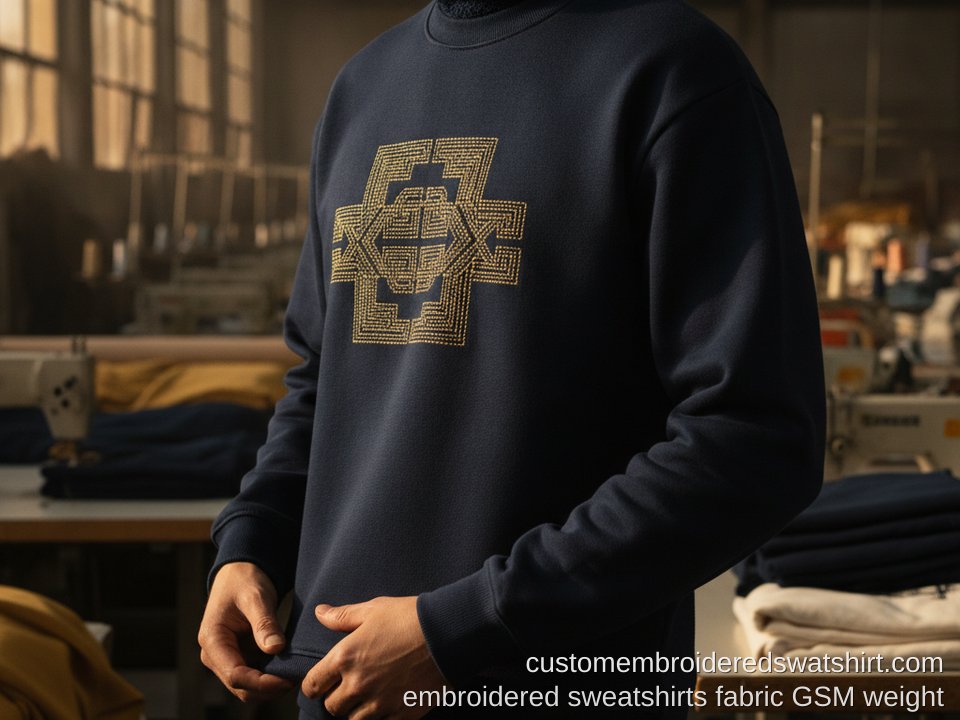
Embroidered Sweatshirts Fabric Guide: GSM, Fleece, French Terry & Performance Blends
Selecting the right fabric is paramount when sourcing custom embroidered sweatshirts for your brand. The material directly impacts the garment's feel, durability, warmth, and overall aesthetic. Understanding fabric weights, particularly embroidered sweatshirts fabric GSM weight, is crucial for making informed decisions that align with your brand's quality standards and target market expectations. This guide will delve into the key fabric types and considerations, ensuring you can confidently specify the perfect material for your next production run.
At Custom Embroidered Sweatshirt, we understand that the foundation of a superior embroidered product lies in its fabric. Our commitment to quality begins at the material sourcing stage, as shown by how Gold Garment selects materials. We work with a range of high-quality textiles to meet diverse client needs, from ultra-soft fleece to breathable French terry. This comprehensive sweatshirt GSM guide will equip you with the knowledge to discuss fabric specifications with confidence.
Understanding Fabric Weight: The Importance of GSM
GSM, or Grams per Square Meter, is the standard unit of measurement for fabric density and weight. It indicates how much a square meter of fabric weighs. For custom embroidered sweatshirts, GSM is a critical indicator of the fabric's thickness, warmth, and drape. A higher GSM generally means a heavier, warmer, and often more durable fabric, while a lower GSM suggests a lighter, more breathable material.
The ideal embroidered sweatshirts fabric GSM weight varies depending on the intended use of the sweatshirt. For instance, a lightweight sweatshirt for milder climates or activewear might fall between 200-280 GSM. Mid-weight options, suitable for general everyday wear, typically range from 280-350 GSM. For exceptionally warm and plush garments designed for cold weather, GSM can exceed 350, sometimes reaching up to 500 GSM or more.
When discussing your requirements with a manufacturer like Custom Embroidered Sweatshirt, specifying the desired GSM range is a key part of the design process. This ensures that the final product meets your expectations for comfort and performance. Understanding this metric is fundamental to achieving the desired feel and functionality of your custom apparel.
Key Fabric Types for Embroidered Sweatshirts
The world of sweatshirt fabrics is diverse, with several popular options offering unique characteristics. The most common types include fleece, French terry, and various performance blends. Each offers distinct advantages for different applications and branding goals.
Fleece: The Classic Comfort Choice
Fleece is perhaps the most recognized fabric for sweatshirts, known for its exceptional softness and warmth. It's typically made from polyester, or a blend of cotton and polyester, and is brushed on one side to create a fuzzy, napped surface. This brushing process traps air, providing excellent insulation and a cozy feel against the skin.
Fleece fabrics are categorized by their construction and weight. Fleece embroidered sweatshirts are ideal for casual wear, promotional items, and team apparel where comfort and warmth are primary concerns. The brushed interior provides a luxurious feel that customers often associate with high-quality sweatshirts.
The weight of fleece can vary significantly, impacting its warmth and durability. Lighter fleeces (around 200-280 GSM) are suitable for layering or transitional weather, while heavier fleeces (320 GSM and above) offer maximum warmth for colder conditions. When considering fleece vs jersey embroidered sweatshirts, fleece offers superior insulation due to its brushed texture.
French Terry: Breathable and Versatile
French terry is a knitted fabric characterized by its smooth, flat face on one side and loops on the other. Unlike fleece, the loops in French terry are not brushed, resulting in a lighter, more breathable fabric with a subtle texture. This makes it an excellent choice for year-round wear and active lifestyles.
French terry embroidered sweatshirts offer a sophisticated, modern aesthetic. The smooth outer surface provides a clean canvas for intricate embroidery designs, allowing them to stand out clearly. The looped interior wicks moisture away from the body, making it a popular choice for athleisure and transitional outerwear.
The GSM for French terry typically ranges from 240 to 350 GSM. Lighter weights are great for warmer climates or as a base layer, while heavier weights provide a comfortable drape and moderate warmth. Its versatility makes it a strong contender for brands looking for a premium feel without the heavy bulk of some fleece fabrics.
Performance Blends: For Active and Technical Apparel
Performance blends are engineered to offer specific functional benefits, such as moisture-wicking, quick-drying, stretch, and enhanced durability. These fabrics often incorporate synthetic fibers like polyester, nylon, or spandex in combination with natural fibers like cotton or rayon.
For brands focusing on athletic wear, corporate uniforms for active employees, or promotional items for fitness-related events, performance blends are indispensable. They ensure that the wearer stays comfortable, dry, and unrestricted during physical activity. The smooth surface of many performance fabrics also provides an excellent base for high-definition embroidery.
When specifying performance blends, it's important to understand the exact composition and the properties each fiber contributes. For example, a blend with a higher percentage of spandex will offer more stretch, while a blend with polyester will enhance moisture management. These fabrics are often found in mid-range GSM weights (250-320 GSM) to balance breathability and coverage.
Fabric Composition: Cotton, Polyester, and Blends
The composition of your sweatshirt fabric is as important as its weight and weave. The ratio of cotton to polyester, or the inclusion of other fibers, significantly influences the garment's characteristics.
- 100% Cotton: Offers excellent breathability, softness, and is hypoallergenic. However, it can shrink, wrinkle, and absorb moisture without wicking it away effectively. It's a classic choice for casual wear and offers a great surface for embroidery.
- Polyester: Known for its durability, resistance to shrinking and stretching, and quick-drying properties. It's often blended with cotton to improve the fabric's performance and reduce wrinkles. Pure polyester can sometimes feel less breathable than cotton.
- Cotton-Polyester Blends: These are the most common for custom sweatshirts. A typical blend might be 60% cotton/40% polyester or 50/50. These blends aim to leverage the best attributes of both fibers, offering a balance of softness, durability, breathability, and wrinkle resistance. The specific ratio can be adjusted to achieve desired properties.
- Blends with Spandex/Elastane: Adding a small percentage of spandex (typically 2-5%) introduces stretch and recovery to the fabric, improving fit and comfort, especially in activewear.
- Blends with Rayon/Modal: These semi-synthetic fibers derived from cellulose can add exceptional softness, drape, and a silky feel to the fabric, often used in premium athleisure wear.
The choice of composition directly impacts the feel, care requirements, and longevity of your custom embroidered sweatshirts. For instance, a higher cotton content will generally feel softer and more natural, while a higher polyester content will offer greater resilience and easier care. Understanding these nuances is key to selecting the right material for your brand. For those looking to understand the full manufacturing journey, learning about how embroidered sweatshirts are made can provide valuable context.
Choosing the Right Fabric for Your Brand Needs
When making your selection, consider the primary purpose of your embroidered sweatshirts. Are they for promotional giveaways, corporate branding, retail sales, or team uniforms? Each scenario might call for different fabric properties.
- Promotional Items & Giveaways: Durability and cost-effectiveness are often key. A mid-weight cotton-polyester blend (e.g., 60/40) in the 280-320 GSM range provides a good balance.
- Retail & Fashion Brands: Focus on premium feel, drape, and aesthetic. French terry or higher-quality fleece blends with a focus on softness and a smooth surface for detailed embroidery are excellent choices. Consider GSM in the 280-350 range.
- Athletic & Activewear: Performance blends with moisture-wicking, breathability, and stretch are essential. Look for fabrics specifically designed for athletic use, often in lighter to mid-weight GSM (240-300 GSM).
- Team Uniforms & Workwear: Durability, warmth, and ease of care are paramount. Heavier fleece or robust cotton-polyester blends (320 GSM+) are ideal.
Our experience at Custom Embroidered Sweatshirt, backed by the manufacturing expertise of Gold Garment, allows us to guide you through these choices. We offer a wide array of fabric options to suit every need, ensuring your custom designs are showcased on a garment that performs as well as it looks. This is further exemplified by a real example from Gold Garment high quality sweatshirt manufacturer.
Your choice of fabric also influences the type of embroidery that can be applied. For instance, very heavy fleece might require different needle types or backing than a fine-gauge French terry. Understanding the interplay between fabric and embroidery is crucial for a flawless final product. For a deeper dive into manufacturing processes and options, our embroidered sweatshirts: Complete OEM & Private Label Manufacturing Buyer's Guide offers comprehensive insights.
When considering bulk orders, understanding the Minimum Order Quantity (MOQ) is vital. As detailed in our embroidered sweatshirts MOQ Guide, our standard MOQ is 100 pieces per style, ensuring that even smaller brands can access factory-direct pricing and high-quality custom production.
Frequently Asked Questions
Q: What is the best fabric weight (GSM) for all-around custom embroidered sweatshirts?
A: For general-purpose custom embroidered sweatshirts, a weight between 280 and 320 GSM is often considered the sweet spot. This range provides a good balance of warmth, durability, and comfort, making it suitable for a wide variety of climates and uses, from casual wear to team apparel.
Q: How does fabric composition affect embroidery quality?
A: Fabric composition influences how well the embroidery thread sits and how the fabric handles the stress of needle penetration. A stable fabric, like a cotton-polyester blend, generally provides a good base for embroidery. Very stretchy or loosely woven fabrics might require specialized backing to prevent distortion of the design.
Q: Is French terry or fleece better for breathability?
A: French terry is generally more breathable than fleece. This is because the loops on the inside of French terry are not brushed, allowing for better air circulation. Fleece, with its brushed, napped interior, traps more air for warmth but can be less breathable.
Q: Can I get lightweight embroidered sweatshirts for summer?
A: Absolutely. For warmer months or active use, you can opt for lighter-weight fabrics such as French terry or performance blends typically ranging from 200-250 GSM. These will offer comfort and breathability without excessive warmth.
By understanding these fabric fundamentals, you are well-equipped to specify the perfect material for your custom embroidered sweatshirts. Partner with us to bring your vision to life with exceptional quality and factory-direct pricing.
📩 Request a Free Quote — Response Within 5 Minutes
🌎 Website: customembroideredswatshirt.com
Factory-direct pricing · MOQ from 100 pcs/style · Sample development · Worldwide shipping


COMMENTS